Alabama Pilgrimage: A Reflection Two Years Later
by Kim and Larry Lorenzen
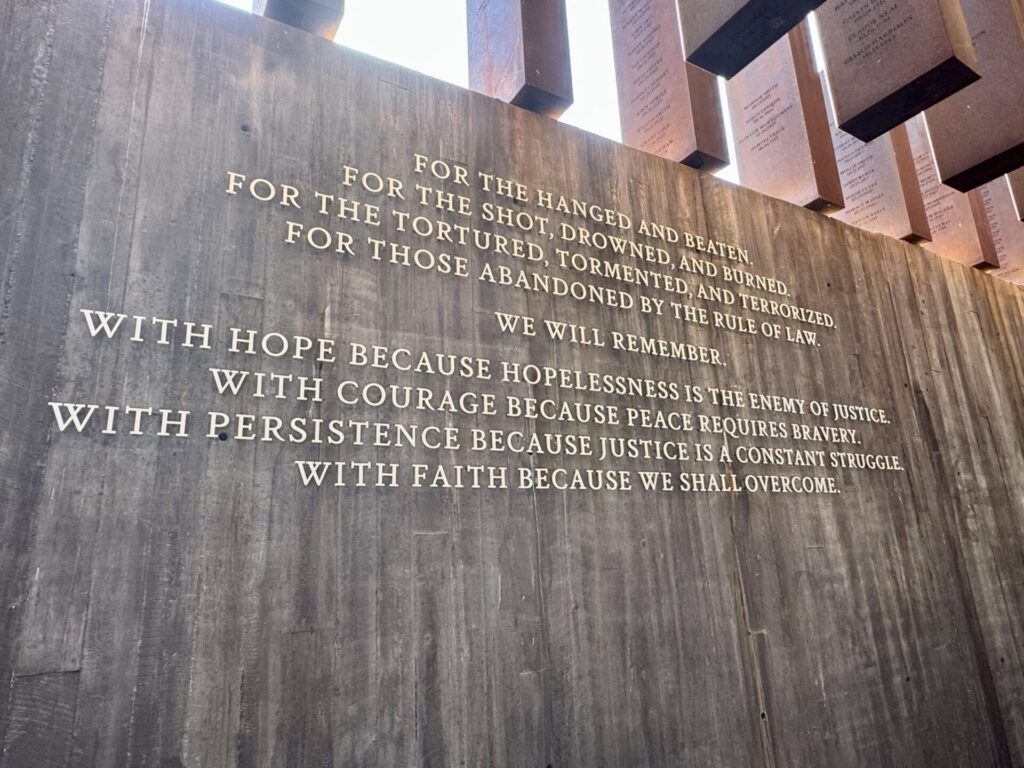
As we reflect on the two-year anniversary of the Alabama Human Rights Pilgrimage and all that has occurred since, the plight of our fellow man weighs heavy. As in the times of slavery, the reality of our current situation is, that for a large portion of the American population, the future is uncertain and often violent. Spanish-American philosopher George Santayana (1863-1952) wrote in 1905, “Those who cannot remember the past are condemned to repeat it.” We fear that some lessons are being lost as the current administration attempts to strip away some of our country’s difficult history from the institutions charged to preserve our past.
Here are some of the impactful moments our group of 21 experienced during the October 2024 pilgrimage sponsored by the Building Beloved Community committee* of Village Church.
Montgomery
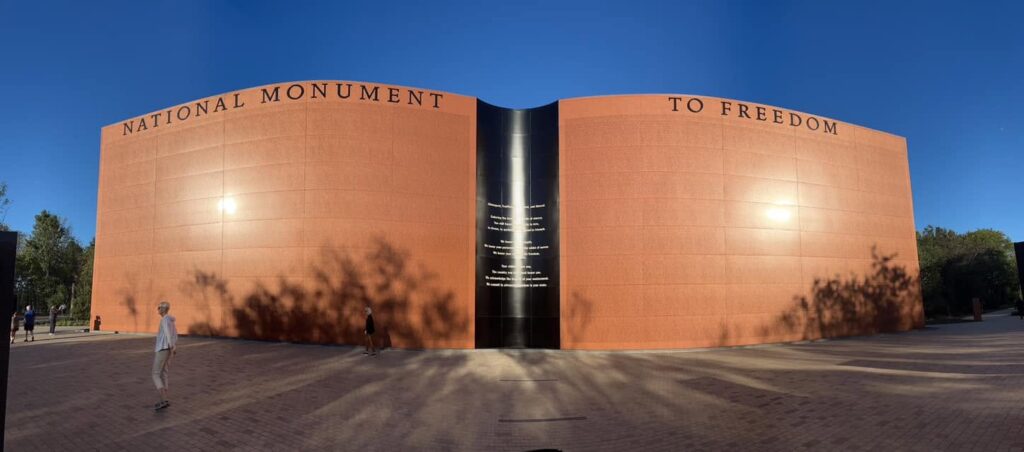
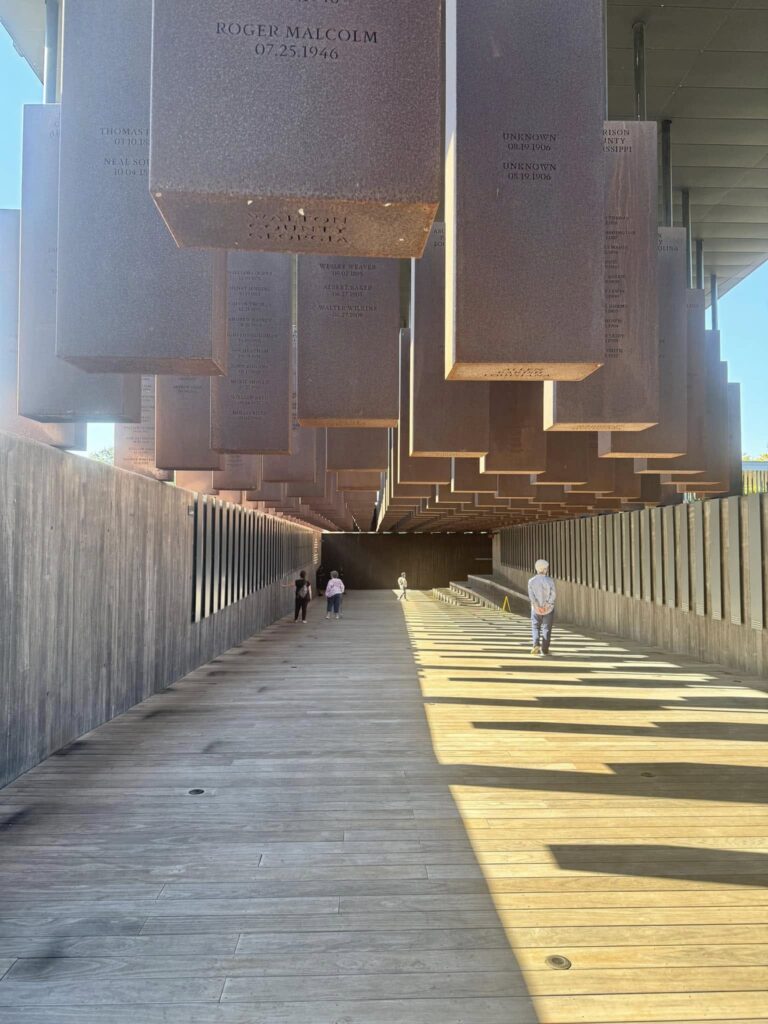
Some of the most powerful displays we encountered on the pilgrimage were at the National Memorial for Peace and Justice in Montgomery. Above our heads hung large metal pylons containing the dates, locations, and names of individuals who had been lynched. The expanse of these hanging pylons seemed endless. This sight rendered one person in our group inconsolable as he considered the sheer brutality and loss these pylons represented. Several things about this memorial stood out: the length of time that these lynchings took place, the fact that these murders regularly happened outside of what were considered “slave states,” and the evidence of entire families being killed in a single event. We were grieved to learn that “lynching” represents not only hangings, but also dragging, shooting, and burning at the stake.
It would be much easier to look away and forget this uncomfortable past, but we believe that forgetting does us, American citizens and Christians, a disservice. Do we not revisit Jesus’s sacrifice on the cross each year at Easter to remind us of hard truths and a way forward?
Selma
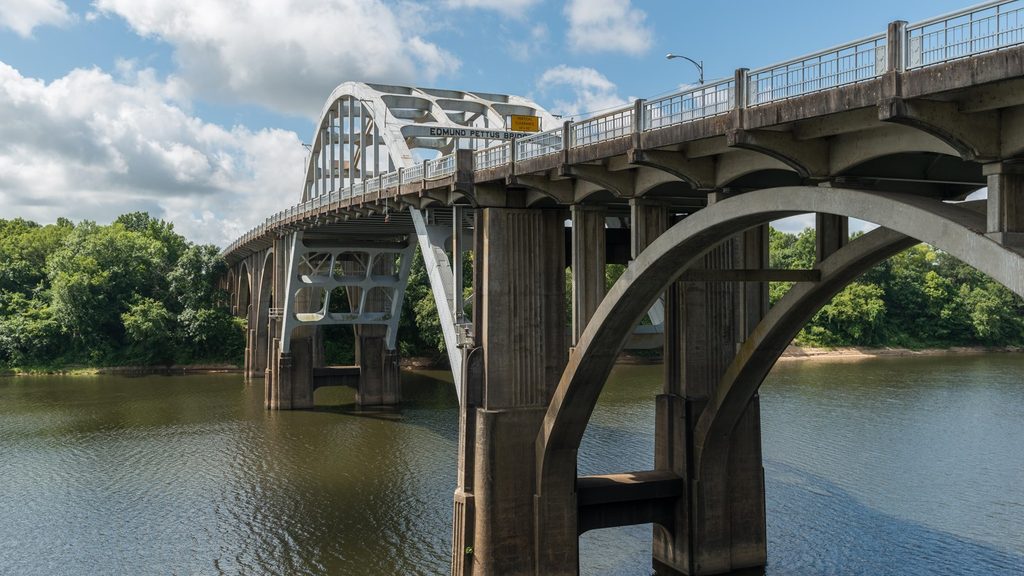
This pilgrimage was a powerful witness to our recent history, both by virtue of proximity to past events but also by being in the presence of those who participated in the Civil Rights struggle. We had the pleasure of meeting Ms. Annie Pearl Avery, who was arrested on Bloody Sunday while human rights champions Dr. Martin Luther King Jr. and John Lewis walked the Edmund Pettus Bridge. How solemn it was to retrace those sacred steps over “troubled waters” with our own feet in Selma.
Birmingham
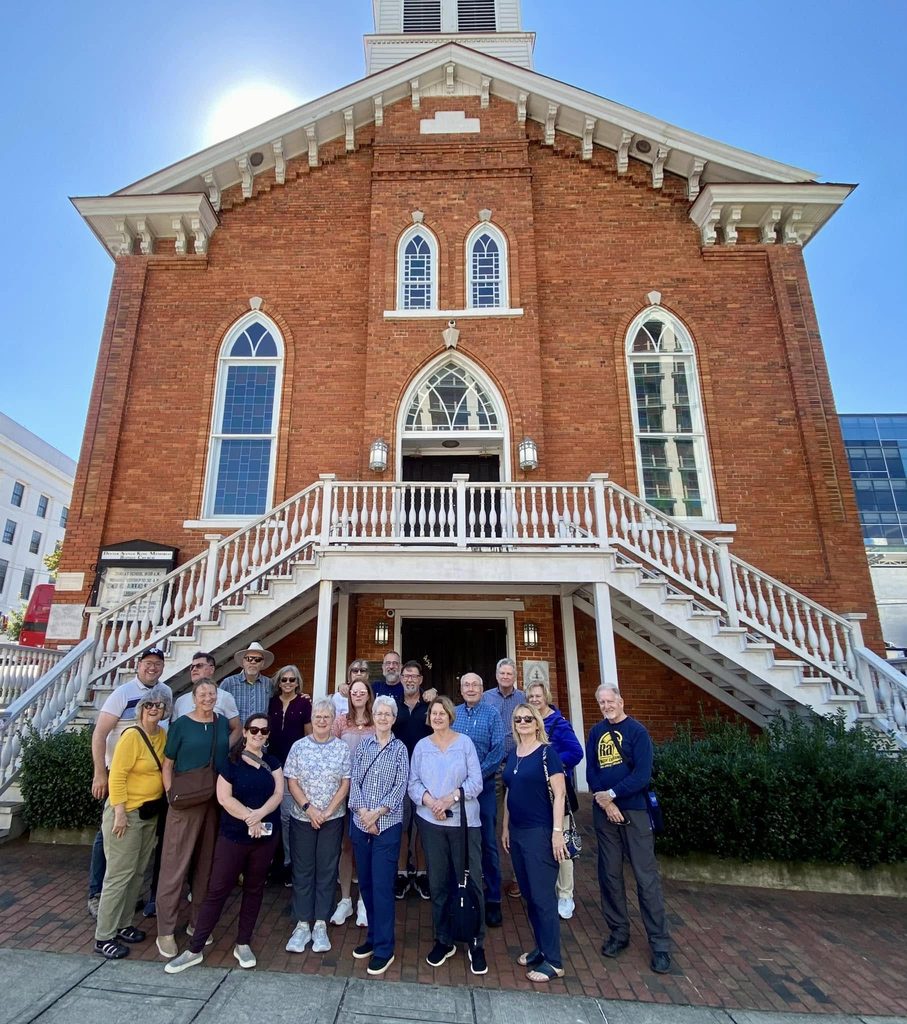
The trip also provided us with moments of hope. We paid our respects at the 16th Street Baptist Church in Birmingham, where a Klan bomb murdered four little girls during Sunday School one morning in September 1963. Sixty-one years later, we sat and worshiped with the congregation in their sanctuary.
These questions remain:
- What was the purpose of this pilgrimage?
- What do we take away from it?
- Where does it lead us?
It was an educational pilgrimage, taken side-by-side with fellow Christians, to witness important places and history. For nearly 200 years, human beings were owned—often with the church’s justification and blessing. Most of us have the right to affect our nation’s path forward by voting. We encourage you to do the good that is yours to do at the ballot box.
Evil men do not understand justice, but those who seek the Lord understand it completely. –Proverbs 28:5
* Building Beloved Community is a committee of the Session, the church’s governing body. Its purpose is to work both within and outside Village Church to follow our faith’s teaching for justice, inclusion and welcome to all people.